getdigitalug

You submitted a solid proposal. The portfolio looked strong. But the client picked someone else, and when you checked the winning freelancer’s profile, the turnaround time they promised was half of yours. You’re left wondering how they plan to pull that off.
For a growing number of freelancers, the answer is artificial intelligence. AI tools let remote workers draft proposals in minutes, produce deliverables at real speed, and respond to messages with the kind of polish that builds trust. If you’re freelancing from Uganda and competing for contracts against talent in India, the Philippines, and Eastern Europe, learning to use these tools isn’t some nice-to-have. It’s table stakes.
The Bar for Remote Contracts Keeps Rising
Freelancing was always competitive. AI made it sharply more so. According to Upwork’s In-Demand Skills 2026 report, demand for AI-related skills grew 109% year over year on the platform. Other in-demand skill categories? They grew at 23%. That gap is more than four to one.
So what does this mean if you’re working from Kampala or Jinja? Clients posting jobs on Upwork, Fiverr, or Freelancer.com now expect the people they hire to work with AI tools. A content writer who delivers a well-researched 2,000-word article in a day instead of three wins repeat business. A virtual assistant who responds to emails with clear, professional language gets noticed fast. And your existing skills go further when AI is part of the process.
Where AI Changes the Work
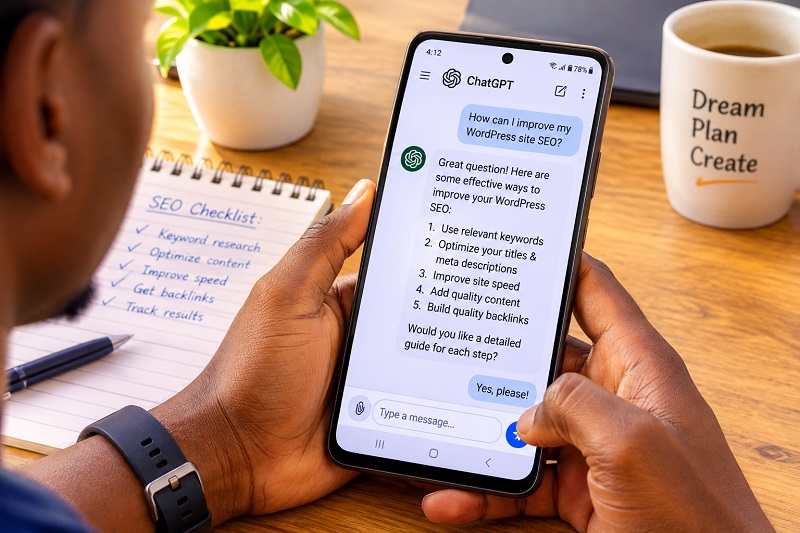
Most freelancers don’t need to build AI systems or write code. They need accessible tools that speed up work they’re already doing. The biggest gains show up in three places.
Proposals That Actually Win Contracts
Tailoring a proposal for every job posting eats time. AI tools like ChatGPT or Claude can help you draft a strong first version in two to five minutes instead of twenty. You paste in the job description, add notes about your relevant experience, and get a structured proposal you can edit and make your own. The editing part isn’t optional, though. Clients spot copy-paste templates, and your judgment is what separates a good proposal from a forgettable one.
Getting real results from these tools takes more than typing a prompt and hitting send. Freelancers who earn well this way know how to guide the output, review what comes back, and catch mistakes before anything reaches a client. When your name is on a deliverable and a client’s reputation depends on it, sending unchecked AI-generated content is a fast track to losing the contract.
This is why picking up AI habits from random tutorials can backfire. A structured learning path covers prompting techniques, but it also teaches how to verify facts, spot AI-generated inaccuracies, and keep quality consistent. GetDigital offers a free AI course that teaches these practical skills for everyday users, not software engineers.
Faster Deliverables
Freelance writers use AI to research topics, create outlines, and draft sections they then refine. Graphic designers use tools like Canva’s AI features to generate layout options quickly. Developers use GitHub Copilot to write code faster. In every case, the freelancer shapes the final product. AI handles the repetitive groundwork.
Client Communication Without the Time Drain
Keeping multiple clients updated is one of the biggest time sinks in freelancing. AI can draft weekly status updates, help you write clear scope-of-work documents, and suggest polite ways to handle tough conversations about deadlines or revisions. Less time on emails, more time on billable work.
Why Uganda Has a Real Edge
Freelancers here have two competitive advantages that don’t get enough attention.
Timezone comes first. Uganda runs on UTC+3 (East Africa Time), which overlaps directly with European business hours. When it’s 9am in London, it’s 12pm in Kampala. European clients who want real-time collaboration, standups, or quick feedback find that hiring someone in East Africa makes far more sense than hiring eight or ten time zones away. And timezone alignment ranks among their top selection criteria for remote contractors.
Then there’s English. Uganda’s education system produces graduates who communicate confidently in English, the working language for most international remote contracts. Pair strong written English with AI-powered tools like Grammarly, and your proposals and messages can match the quality of freelancers anywhere.
The numbers back this up.
Uganda was ranked 24th globally in the Outsourcing Talent Index, a sign the country’s young workforce is gaining international recognition. More than 73% of Uganda’s population is under 30, and many in that demographic are digitally aware and building careers online. A BrighterMonday Uganda report on upskilling notes that proficiency with modern AI-driven productivity tools has become a standard requirement in today’s hiring pool. Once you add AI fluency to those natural advantages, you’re a significantly stronger candidate for remote contracts.
How to Start Right Now

If you’re freelancing or planning to start, these steps will get you moving:
- Sign up for a free AI tool. ChatGPT’s free tier, Google’s Gemini, and Canva’s free plan all work on a smartphone.
- Practice with one real task. Draft your next Upwork proposal using AI, then edit it yourself. Compare the time it took.
- Learn to verify AI output. Check facts, read the text aloud, and make sure it sounds like you.
- Take a short course on AI productivity. Even a few hours of structured training saves you weeks of trial and error.
- Update your freelance profile. Mention your AI skills so clients searching for those abilities can find you.
Don’t try to learn everything at once. Start with proposals and client communication, where the time savings show up immediately. Expand into using AI for your specific deliverables once you’re comfortable.
Put AI in Your Freelance Toolkit
Freelancers winning remote contracts are fast, consistent, and good at communicating with clients. AI tools make all of that possible on a smartphone and a data bundle. You don’t need expensive hardware or a fancy office setup. You need the willingness to learn how these tools work and the discipline to use them well.
Uganda’s timezone, English proficiency, and growing digital workforce already put you in a strong position. Most freelancers competing from other regions can’t offer that same combination. Add AI skills to that mix, and the gap between you and the competition gets a lot smaller. In some cases, it disappears entirely.
The next time a client is scrolling through proposals and yours promises quality work on a tight timeline, backed by a profile that mentions AI proficiency, they won’t scroll past it. That’s the edge worth building toward.

 getdigitalug