getdigitalug
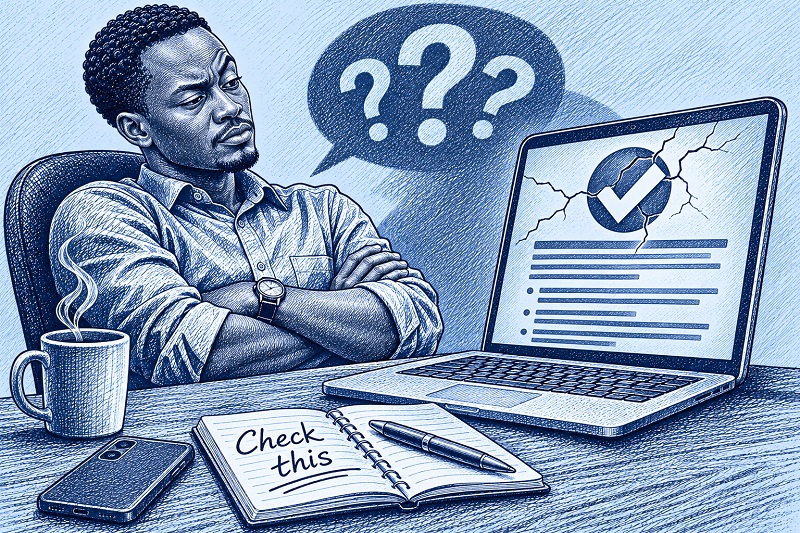
AI chatbots get things wrong far more often than most people think. You type in a question, get back a detailed response with clean grammar and a logical structure, and the information is completely made up. No error message. No warning. A wrong answer from a chatbot looks identical to a correct one, and that’s exactly why unchecked AI responses cause real problems when you’re relying on them for business decisions, school work, or health questions.
What follows covers how chatbots produce bad answers, what the warning signs look like, and when you shouldn’t trust AI at all.
Why Chatbots Produce Convincing Nonsense
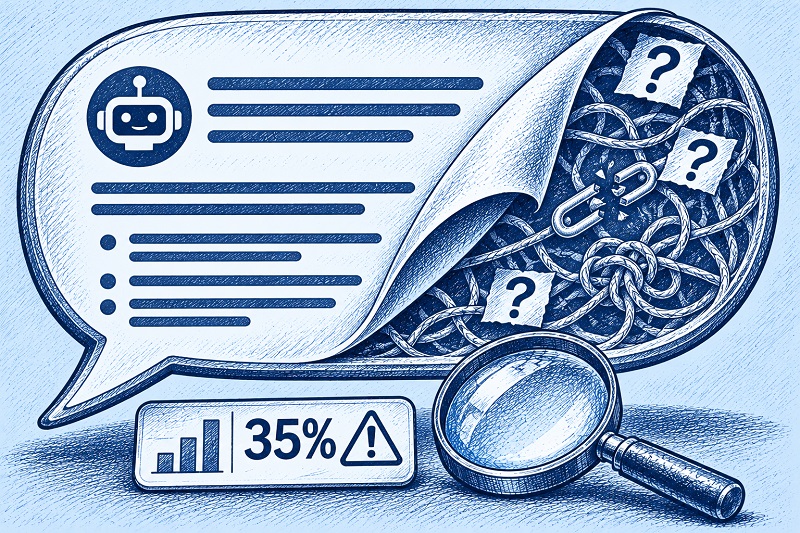
These tools don’t actually understand what they’re telling you. They predict which word should come next in a sentence, based on patterns in their training data. That’s why the output reads so well. It’s also why they can generate answers that sound authoritative while having zero basis in fact.
Researchers call this problem hallucination. A chatbot might spit out a statistic that was never published, reference a court case that was never filed, or describe a medication no doctor has ever prescribed. In one widely reported case, a New York lawyer submitted a legal brief with case citations that ChatGPT had invented from scratch. The cases looked legitimate. None of them existed in any legal database.
It’s hard to wave this away when you see the numbers. A one-year audit by NewsGuard found that leading chatbots repeated false claims about news topics 35% of the time as of August 2025. That was nearly double the rate from a year earlier. And these weren’t obscure trick questions. They were ordinary prompts about events in the news.
Local and regional information is another weak spot. Ask about Ugandan tax requirements, Mobile Money regulations, or health services at a specific facility, and you’ll likely get a generic response based on another country’s system entirely. Uganda’s Ministry of ICT and National Guidance has raised concerns about AI-generated misinformation, warning that unverified content undermines public trust and pushes people toward poor decisions.
Building a Real Verification Habit
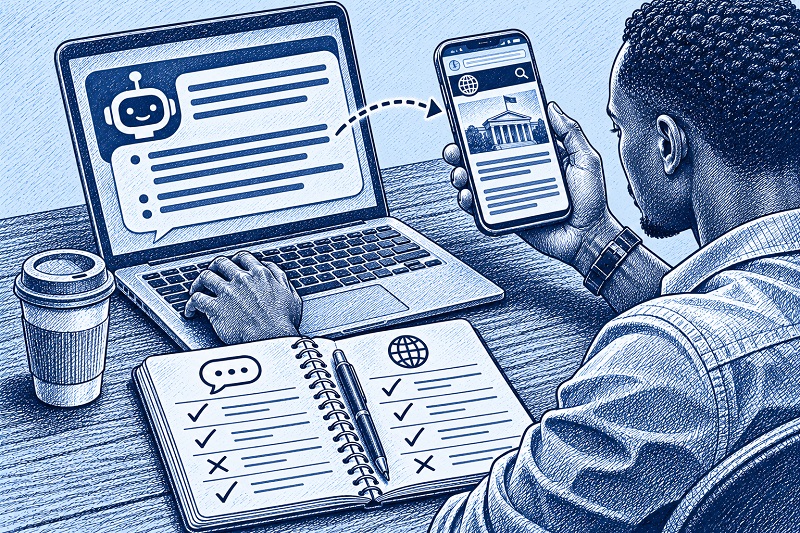
Most people don’t check AI answers because they don’t realize they need to. The output reads like it came from someone who knows the subject. But polished writing and accurate information are two completely different things, and confusing them is how people get burned.
Your single most important step is simple: stop treating AI answers as final. If a chatbot gives you something specific, whether it’s a price, a legal requirement, a dosage, or a deadline, verify it from an independent source before acting on it.
That’s easier said than done if nobody’s shown you how. Checking AI output is a practical skill, and casual chatbot use alone won’t teach it. Structured programs that include free AI skills training teach verification techniques alongside hands-on AI instruction. You learn where these tools tend to fail, how they actually work under the hood, and how to tell a solid answer from a confident-sounding wrong one.
Warning Signs That an AI Answer Is Wrong
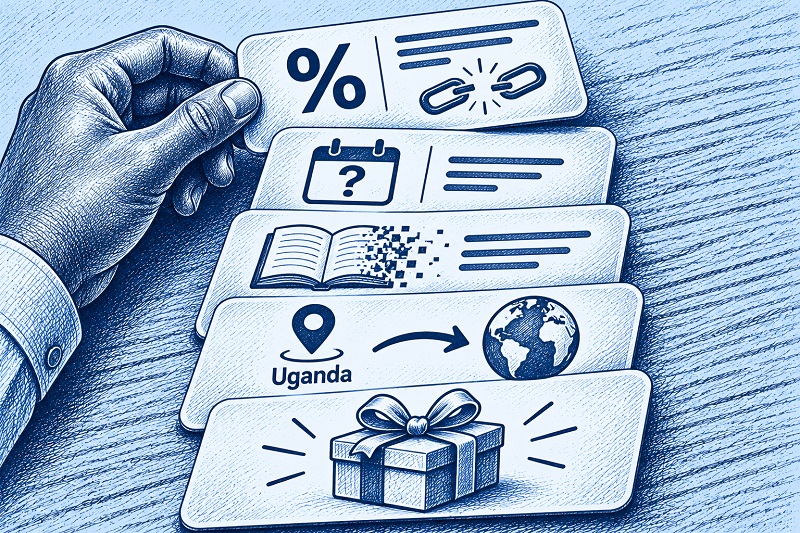
Not every AI mistake is obvious. But certain patterns show up often enough that you can train yourself to catch them:
- Specific numbers with no source. If the chatbot hands you a percentage, a price, or a statistic without saying where it came from, there’s a good chance it’s fabricated.
- Confident claims about recent events. AI models train on data up to a specific cutoff date. They’ll present outdated information as current or quietly fill in gaps with guesses.
- Citations that don’t check out. Some chatbots generate references to academic papers, news articles, or legal cases that look real but don’t exist. Always search for the original source before trusting any citation.
- Generic answers to Uganda-specific questions. Most AI training data comes from the US, UK, and Europe. Answers about Ugandan laws, local services, or regional pricing often reflect a completely different country’s system.
- Answers that wrap up too neatly. Real answers to hard questions come with conditions, exceptions, and grey areas. If an AI response ties everything up with no qualifications, it’s probably inventing details to fill gaps.
One practical technique worth picking up is lateral reading. Don’t evaluate the answer on its own. Open a separate browser tab and search for the specific claim using a reliable source. Stanford University’s AI literacy guide recommends this approach as a foundational skill for anyone who works with AI-generated content.
When AI Shouldn’t Be Your Only Source
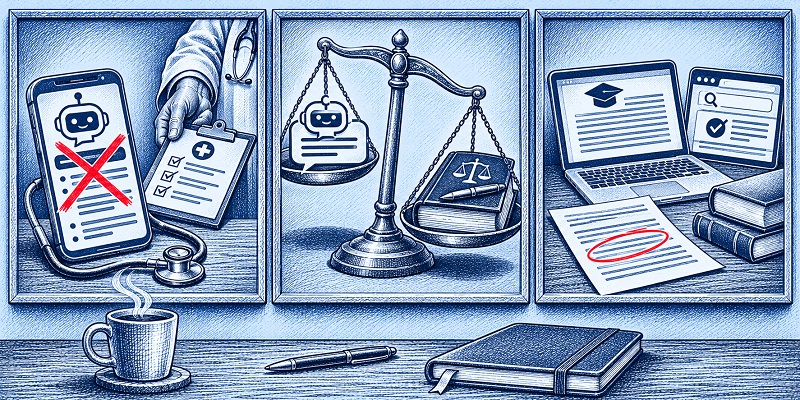
Certain decisions carry too much weight to hand off to a chatbot, no matter how polished the answer looks.
Health information is the highest-risk area, and it isn’t close. Research has shown that AI chatbots frequently change their medical advice depending on how you word the question, and sometimes produce flat-out false information. If you’re checking symptoms, medication details, or treatment options, talk to a qualified health professional. AI can help you come up with better questions for your doctor. It shouldn’t replace actual medical advice.
Legal and financial matters are similarly dangerous territory. Chatbots have been shown to get legal questions wrong in a majority of tested cases. If you’re dealing with land registration, business licensing, tax requirements, or contract terms, work with a professional who understands Ugandan law.
Academic and professional work deserves the same caution. Uganda’s Ministry of Education has warned schools about unregulated AI use, pointing to the risk of students submitting work they haven’t verified. If AI plays any role in your research, coursework, or business reports, check every important claim before it ends up in your final output.
Stop Trusting, Start Checking
Chatbots are genuinely useful for brainstorming, drafting, summarizing long documents, and poking around in unfamiliar topics. What they can’t do is guarantee that any specific claim is true. That gap between “sounds right” and “is right” is where people get into trouble.
People who get the most value from AI are the ones who’ve learned to question what it produces. Treat an AI answer the way you’d treat advice from a confident stranger. It might be spot on. Might be completely wrong.
Only one way to find out.
Try this today: next time a chatbot gives you a specific fact, open a browser tab and search for it yourself. You’ll either confirm the answer or catch a mistake. That single step will tell you more about AI accuracy than anything you could read on the subject.

 getdigitalug